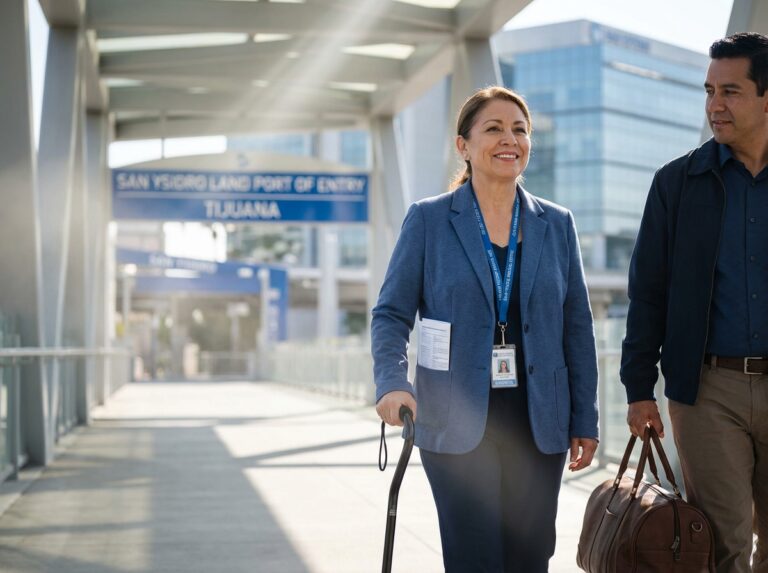
Thinking about hip, knee, or spine surgery abroad? Costa Rica—especially San José—has become a leading destination for orthopedic tourists from the USA. This article explores top hospitals, surgeon credentials, cost and logistics, and step-by-step planning for a safe recovery. Read on for hospital checklists, travel planning, and practical tips to make joint replacement in Costa Rica a well-informed choice.
Why Costa Rica is a strong option for joint replacement
When you start looking into options for joint replacement surgery outside the United States, Costa Rica quickly appears on the radar. It’s not just about the tropical landscape; there are solid, strategic reasons why so many Americans choose this Central American country for major orthopedic procedures like hip, knee, and even complex spine surgeries. The decision often comes down to a powerful combination of accessibility, affordability, and quality of care.
Let’s start with the simple logistics. For patients in the US, Costa Rica is remarkably close. A flight from Miami is under three hours, and from Houston or Atlanta, it’s around four. This short travel time is a significant advantage, especially when you’re preparing for or recovering from major surgery. It minimizes travel-related stress, reduces the risk of complications like blood clots, and makes it easier for a family member or friend to travel with you. This proximity stands in stark contrast to other medical tourism destinations in Asia or Eastern Europe, which can involve 12-hour flights and severe jet lag.
Of course, the financial aspect is a primary driver for many. The cost of a joint replacement in Costa Rica can be 40% to 70% lower than in the US. A total knee replacement that might cost over $50,000 in an American hospital could be priced between $18,000 and $28,000 in San José. However, it’s crucial to approach these numbers with caution. Prices change, and initial quotes may not include everything. The key is to request a detailed, itemized quote from any prospective hospital. This document should clearly list what’s included, such as the surgeon’s fee, anesthesiologist’s fee, hospital stay, the specific implant brand and model, pre-operative tests, and post-operative physical therapy sessions. Never commit based on a vague estimate. (Note: All cost estimates must be verified by requesting a formal written quote directly from the medical provider).
Lower cost does not mean lower quality. San José’s top private hospitals operate at a standard that rivals many US facilities. Several are accredited by international bodies like the Joint Commission International (JCI), which uses the same rigorous standards applied to American hospitals. This accreditation is a critical quality indicator, as it covers everything from surgical protocols and patient safety to infection control and staff qualifications. Success rates are high, with top hospitals reporting rates exceeding 97% for knee and hip replacements, which is comparable to U.S. averages. Many orthopedic surgeons practicing in these top-tier hospitals have received training or fellowships in the United States or Europe. They are often board-certified and belong to international orthopedic associations. You’ll also find that patient-facing staff, from international patient coordinators to nurses, are typically bilingual, which removes a major communication barrier and source of anxiety.
Beyond cost and quality, there are other practical benefits. Wait times for orthopedic surgery in the US can stretch for months. In Costa Rica, it’s often possible to schedule a procedure like a hip replacement in San José within a few weeks of your initial consultation. This speed can be life-changing for someone living with chronic pain and limited mobility. The country’s warm, stable climate is another advantage. It’s far more pleasant to recover in a temperate environment where you can sit outside and enjoy fresh air than to be stuck indoors during a harsh winter. The gentle warmth can help soothe stiff joints and encourage the light movement that is essential for a successful recovery.
Patient safety must be your top priority. Before making any decisions, you need to do your homework. Verify a hospital’s accreditation directly on the JCI website. Ask for the specific credentials of your potential surgeon and verify them with the relevant medical boards. Don’t be afraid to ask for data on their infection control rates and patient outcomes for your specific procedure. Reputable hospitals will be transparent with this information.
Understanding the typical process helps set expectations. For a total knee or hip replacement, patients usually expect a hospital stay of 3 to 5 days. The initial, most intensive phase of recovery happens over the next 4 to 6 weeks, often at a nearby recovery retreat or an accommodating hotel with nursing support. Full recovery can take six months to a year. Spine surgery planning is different. It’s more complex and individualized. A procedure like a spinal fusion will require a longer hospital stay, potentially 5 to 7 days, and a much more structured and lengthy recovery plan. The surgeon will need detailed diagnostic imaging (MRIs, CT scans) from the US before even determining if you are a candidate for orthopedic surgery medical tourism. This careful pre-planning is essential for a safe and successful outcome.
San José medical hubs and hospital profiles
When you land in San José, you’re at the heart of Costa Rica’s private healthcare system. The city’s top hospitals are concentrated in and around the western suburbs, particularly Escazú, which is convenient for both the airport and for finding comfortable recovery accommodations. These facilities are not just buildings; they are complete ecosystems designed for international patients, especially those undergoing major procedures like joint replacement. Here’s a closer look at the leading medical hubs you’ll be considering.
Hospital CIMA San José
Located in the upscale suburb of Escazú, CIMA is often the first name that comes up for American medical travelers. It has a long-standing reputation for catering to an international clientele.
- Accreditation and Specialties
CIMA has been continuously accredited by the Joint Commission International (JCI) since 2008, with its latest reaccreditation completed in 2024. Its Orthopedics and Traumatology Center is a major pillar of the hospital, handling a high volume of total knee replacements (TKR), total hip replacements (THR), shoulder replacements, and complex spine surgeries like spinal fusions and microdiscectomies. - Surgeons and Implants
The orthopedic department features highly-regarded, often US-trained surgeons. For example, surgeons like Dr. Oscar Oeding are known for their fellowships in the United States and affiliations with American orthopedic associations. You can expect top-tier, FDA-approved implants from brands like Zimmer Biomet, Stryker, and DePuy Synthes, the same ones used in leading US hospitals. - Facilities and Recovery
The hospital is equipped with more than 10 modern operating rooms and a dedicated Intensive Care Unit (ICU) capable of managing post-operative care for complex cases. A significant advantage is its on-site rehabilitation department, allowing for a seamless transition from surgery to physical therapy without leaving the campus. - Logistics and Patient Experience
CIMA is about a 25-30 minute drive from Juan Santamaría International Airport (SJO) and is situated directly in Escazú, a popular area for expats and visitors. The hospital has a dedicated international patient department with English-speaking coordinators who manage everything from scheduling to billing. A typical timeline involves an initial teleconsultation, followed by arrival in Costa Rica 2-3 days before surgery for pre-op tests. A sample package for a knee replacement might include 3-4 nights of hospitalization, all surgical fees, the implant, and the first 5-10 outpatient physical therapy sessions. Anonymized patient stories often highlight the attentive nursing care and the ease of communication. Verified reviews can sometimes be found on platforms like Google and specialized medical travel forums, but always cross-reference with direct testimonials if possible. - Cost Estimate
Disclaimer: The following are estimates as of late 2025. You must obtain a detailed, written quote directly from the hospital for current pricing. A total knee or hip replacement package at CIMA typically ranges from $22,000 to $28,000.
Clínica Bíblica Hospital
As one of the oldest and most respected private hospitals in Costa Rica, Clínica Bíblica combines a long history with modern medical innovation. It is located closer to the center of San José.
- Accreditation and Specialties
Clínica Bíblica also holds JCI accreditation, last renewed in 2025. Its orthopedic department is robust, offering a full spectrum of joint replacement surgeries. They have developed a strong reputation for minimally invasive techniques and complex revision surgeries for patients whose initial replacements have failed. - Surgeons and Implants
The hospital’s medical staff includes prominent orthopedic specialists with international training in Germany and the US. Surgeons here are known for their contributions to orthopedic research in Latin America. Like CIMA, they utilize premier implant brands, ensuring patients receive globally recognized technology. - Facilities and Recovery
The facility boasts a modern surgical tower with dedicated orthopedic operating theaters. Its ICU is well-staffed and equipped for any post-surgical event. Clínica Bíblica has a comprehensive on-site physical rehabilitation center, offering hydrotherapy and other advanced recovery modalities. - Logistics and Patient Experience
Located in downtown San José, Clínica Bíblica is about a 30-40 minute drive from SJO airport and a 15-20 minute drive from Escazú. Its International Department is well-oiled, providing seamless coordination for traveling patients. The process is similar to CIMA’s, with consultation-to-surgery times often within 2-3 weeks. Packages are all-inclusive, covering pre-op labs, imaging, hospital stay, and a set number of post-op physical therapy sessions. Patient testimonials often praise the hospital’s compassionate, patient-first culture. - Cost Estimate
Disclaimer: The following are estimates as of late 2025. You must obtain a detailed, written quote directly from the hospital for current pricing. A total knee or hip replacement package at Clínica Bíblica generally falls in the $21,000 to $27,000 range.
Hospital Metropolitano
Hospital Metropolitano operates as a network of hospitals and medical centers, offering a model focused on accessibility and value without compromising on quality standards.
- Accreditation and Specialties
While not JCI-accredited, Hospital Metropolitano holds national accreditation from the Costa Rican Ministry of Health and follows international standards. Its main hospital in San José is a popular choice for orthopedics, offering all standard hip, knee, and shoulder replacements, as well as common spine procedures. - Surgeons and Implants
The hospital works with a large group of independent, board-certified orthopedic surgeons, giving patients a wide choice of specialists. They use FDA and CE-approved implants from leading international manufacturers. - Facilities and Recovery
The facilities are modern, clean, and efficient. While they have full-service operating rooms and ICU capacity, their model is streamlined. Post-operative rehabilitation is typically coordinated with trusted, nearby physical therapy clinics rather than an on-site department, which can offer more flexibility in your recovery location. - Logistics and Patient Experience
Its main San José location is centrally located, with travel times from SJO similar to Clínica Bíblica. The hospital has an international patient coordinator to assist with logistics. The timeframe from consultation to surgery can be very short. Packages are often more customizable, allowing patients to choose different levels of post-op support. Patients often select this hospital for its blend of quality care and competitive pricing. - Cost Estimate
Disclaimer: The following are estimates as of late 2025. You must obtain a detailed, written quote directly from the hospital for current pricing. A total knee or hip replacement package at Hospital Metropolitano can range from $18,000 to $24,000, often representing a significant value.
Regardless of which hospital you lean towards, the most critical step is personal verification. Always confirm a hospital’s current accreditation status directly with the accrediting body, like the Joint Commission International. Request the credentials of your specific surgeon and verify their board certifications. This due diligence is non-negotiable and forms the foundation of a safe and successful medical journey abroad.
Planning surgery and what to prepare before travel
Once you’ve narrowed down your choice of hospital and surgeon in San José, the real planning begins. A successful joint replacement journey abroad is built on meticulous preparation. This guide breaks down the process into manageable steps, ensuring you feel confident and in control from the moment you commit to your surgery until you’re safely recovering back home.
Step 1: Assembling Your Medical Dossier
Your Costa Rican surgical team needs a complete picture of your health. Start by gathering all relevant medical records from the past two to three years. This isn’t just about your joint; they need a holistic view. Your package should include your primary care physician’s notes on your overall health, a list of all current and past medical conditions, and a detailed history of the joint issue. Most importantly, you will need recent, high-quality diagnostic images. This typically means X-rays taken from multiple angles and often an MRI or CT scan. Don’t send physical films. Instead, request the digital files (usually in DICOM format) on a CD or via a download link from your imaging center. You can then upload these files directly to the hospital’s secure patient portal or use a secure file-sharing service they recommend. This digital transfer is the fastest and most reliable way to get your case in front of the surgeon for an initial evaluation.
Step 2: The Virtual Consultation and Second Opinion
With your records submitted, the next step is a teleconsultation. The hospital’s international patient coordinator will schedule a video call with your prospective surgeon. This is your opportunity to build rapport and ask critical questions. Treat it like any specialist appointment. Prepare your questions in advance, discuss your goals for the surgery, and listen carefully to the surgeon’s proposed treatment plan, including the type of implant they recommend. If you have any doubts, or simply for peace of mind, consider a second opinion. You can do this with another surgeon in Costa Rica or with a specialist in the U.S. Providing them with the same digital records makes this process straightforward and ensures you are making a fully informed decision.
Step 3: Pre-Operative Clearances and Health Checks
Before you book your flight, you’ll need medical clearance. Your Costa Rican team will provide a list of required pre-operative tests. These usually include a complete blood count (CBC), a comprehensive metabolic panel, an EKG (electrocardiogram), and a urinalysis. You can typically have these done with your primary care physician in the U.S. about two to four weeks before your travel date. Your doctor will then need to provide a formal letter stating you are medically cleared for both the specific surgery and for international travel. Also, discuss your current medications. You may need to stop taking certain drugs, like blood thinners, a week or two before surgery. Get clear instructions from both your U.S. and Costa Rican doctors. Finally, check the U.S. Centers for Disease Control and Prevention (CDC) website for the latest health and vaccine recommendations for travelers to Costa Rica. While no special vaccines are typically required for a trip to San José, it’s crucial to verify current public health advisories before you travel.
Step 4: Insurance, Flights, and Recovery Lodging
Standard travel insurance is not enough. You need a policy that specifically covers medical complications arising from a planned surgery abroad. Look for policies that include medical evacuation coverage, which would pay for your transport back to the U.S. in a worst-case scenario. Read the fine print carefully to understand the coverage limits and exclusions for pre-existing conditions. When booking flights, aim for a direct flight to Juan Santamaría International Airport (SJO) to minimize stress and connections. Inform the airline when you book that you will be traveling for surgery and will require wheelchair assistance on your return journey. Traveling with a companion is highly recommended. They can provide invaluable physical and emotional support. For accommodations, choose a place close to the hospital for your pre-op and post-op stay. Look for recovery-friendly features like a ground-floor room or elevator access, a walk-in shower, and a comfortable space to rest. Many hotels and serviced apartments in areas like Escazú cater to medical travelers and can be arranged with help from your hospital coordinator.
Step 5: Logistics and Timelines
If you use assistive devices like a walker or crutches, check with your airline about their policies for bringing them. Most can be checked as medical equipment at no extra cost. For prescription medications, keep them in their original bottles with the pharmacy label intact and carry a copy of the prescription. A typical timeline looks like this:
- Pre-Op Period: Arrive in San José at least 2-3 days before your surgery date. This allows time for a final in-person consultation, any last-minute tests, and to acclimate.
- Hospitalization: Expect a hospital stay of 3 to 5 days for a standard hip or knee replacement.
- Early Recovery: Plan for a minimum stay of 10 to 14 days in Costa Rica after you are discharged from the hospital. This period is critical for your first follow-up appointment, suture or staple removal, and beginning physical therapy. Flying too soon after major surgery significantly increases the risk of blood clots. A longer stay may be necessary if you experience complications, have difficulty managing pain, or are slower to meet initial mobility goals.
Your Pre-Booking Checklist and Questions
Before you finalize any plans, make sure you have clear, written answers to the following. Think of this as your personal project plan.
Questions for the International Patient Coordinator:
- Can I have a detailed, itemized quote for the entire surgical package? What are potential extra costs (e.g., extra hospital nights, blood transfusions, specialized medications)?
- What is the payment schedule, and what forms of payment do you accept?
- Who will be my single point of contact throughout the process?
- What logistical support do you provide for booking accommodation, airport transfers, or a private nurse for my hotel recovery?
Questions for Your Surgeon:
- How many procedures like mine do you perform each year?
- What specific brand and model of implant do you plan to use, and what is its long-term clinical track record?
- What is your standard protocol for post-operative pain management?
- How will you coordinate with my physical therapist once I return to the U.S.?
- What is the hospital’s protocol for handling a serious complication, such as an infection or blood clot?
Frequently Asked Questions
Is it safe to have joint replacement surgery in Costa Rica?
Yes, it is very safe, provided you choose a reputable, internationally accredited hospital. San José’s top private hospitals, particularly those with Joint Commission International (JCI) accreditation, adhere to the same high standards of care and safety protocols as leading U.S. facilities. The key is doing your homework on the specific facility and surgical team. You can check current travel advisories on the U.S. Department of State website before making any plans.
How can I verify a hospital’s accreditation and a surgeon’s credentials?
To verify accreditation, check the hospital’s status directly on the JCI website. For your surgeon, request their full curriculum vitae (CV) from the hospital’s international coordinator. This document details their medical training and board certifications. You can also verify their license with the Costa Rican College of Physicians and Surgeons (Colegio de Médicos y Cirujanos de Costa Rica).
What are the typical cost savings for a joint replacement in San José?
Patients can typically expect to save between 40% and 70% compared to the cost of the same procedure in the United States. A total knee or hip replacement package in San José generally ranges from $18,000 to $28,000. This price usually includes the surgeon’s fees, anesthesiologist, hospital stay, the implant, and some pre-operative tests. Always request a detailed, itemized quote to understand exactly what is covered.
Will my U.S. insurance or Medicare cover my surgery in Costa Rica?
Generally, no. Most domestic U.S. health insurance plans and Medicare do not cover elective procedures performed outside the United States. Medicare will not pay for care abroad except in very rare circumstances that do not apply to planned medical travel. Some private PPO plans may offer partial reimbursement, but you must get this confirmed in writing from your insurer before you travel. For most patients, this is an out-of-pocket expense.
How are potential complications and follow-up care handled once I’m back in the U.S.?
Immediate post-surgical complications that arise while you are still in Costa Rica will be managed by your surgical team there. This is why a sufficient recovery stay is critical. For follow-up care after you return home, you must establish a relationship with a local orthopedic surgeon *before* you leave for Costa Rica. You will be responsible for the costs of this care. Your Costa Rican surgeon will provide you with a complete medical file, including surgical notes and imaging, to share with your U.S. doctor.
What are the wait times for surgery compared to the U.S.?
Wait times are a significant advantage. While U.S. patients might wait months for a procedure, it is often possible to schedule a joint replacement in San José within a few weeks of the initial consultation, as the private system is very efficient.
Are the joint implants (prosthetics) high quality?
Yes. Leading Costa Rican hospitals use the same high-quality, FDA and CE-approved implants from major global brands like Zimmer Biomet, Stryker, and DePuy Synthes that are used in the United States. The warranty on the device comes from the manufacturer; ensure you receive all documentation for your implant, including its serial number.
Will there be a language barrier with the medical staff?
In the major private hospitals that cater to medical tourists, surgeons, key nursing staff, and international patient coordinators are fluent in English. While not all hospital staff may speak English, communication regarding your medical care should not be an issue.
Do I need special medical travel insurance?
Absolutely. Standard travel insurance does not cover complications from a planned medical procedure. You need a specialized medical travel insurance policy that covers surgical complications, an extended hospital stay, and medical evacuation back to the U.S. if a serious, unforeseen event occurs.
What are the most common risks, and how do Costa Rican hospitals manage infection control?
The risks are the same as in the U.S., including blood clots (DVT), infection, and reactions to anesthesia. JCI-accredited hospitals follow rigorous international protocols for infection control, and their surgical site infection rates are typically very low, on par with top U.S. hospitals.
How soon can I safely fly back to the U.S. after surgery?
Your surgeon will make the final determination, but you should plan to stay in Costa Rica for a minimum of 10 to 14 days after your surgery. Flying too soon significantly increases the risk of developing a deep vein thrombosis (DVT), a potentially life-threatening blood clot.
How do I arrange for physical therapy and rehabilitation when I return home?
You should arrange your post-operative rehabilitation plan before you leave for Costa Rica. This involves identifying a physical therapy clinic in your hometown and scheduling your first appointments for shortly after you return. Your Costa Rican surgeon will provide a recommended therapy protocol for your U.S. therapist to ensure a smooth transition of care.
Conclusions and next steps for prospective patients
You’ve explored the landscape of orthopedic care in San José, from its top-tier hospitals to the qualifications of its surgeons. Now, the question becomes, what’s next? Deciding to travel for a major surgery is a significant step, and moving from research to action requires a clear, methodical approach. This final chapter summarizes the key takeaways and provides a practical roadmap to help you navigate the path forward.
San José presents a compelling case for joint replacement. The primary advantages are clear. You gain access to internationally accredited medical facilities, often with JCI certification, which signifies a commitment to global standards of patient safety and care. The surgeons are frequently US-trained or board-certified, bringing a high level of expertise to their practice. And, of course, the cost savings are substantial, often ranging from 40% to 70% compared to the same procedures in the United States, without a compromise on the quality of implants or medical attention. This financial relief, combined with the opportunity to recover in a tranquil, healing environment, makes Costa Rica an attractive option.
However, this journey must be undertaken with careful planning and due diligence. The responsibility for vetting your choices rests squarely on your shoulders. It is essential to take several precautions to ensure a safe and successful outcome. First, always verify a hospital’s accreditation independently. Don’t just take their website’s word for it; check the official JCI website or the Costa Rican Ministry of Health (Ministerio de Salud) for current status. Second, thoroughly confirm your surgeon’s credentials. Ask for their CV, look into their board certifications, and inquire about their specific experience with your type of joint replacement. Third, secure comprehensive insurance. Standard travel insurance is not enough. You need a specialized medical tourism policy that explicitly covers surgical complications and, crucially, includes medical evacuation back to the US if necessary. Finally, plan for a realistic recovery timeline. This includes your initial post-operative stay in Costa Rica and the continuation of physical therapy once you return home.
To help you transition from consideration to action, here is a checklist of immediate next steps.
- 1. Consolidate Your Medical Records.
Before you can get an accurate opinion or quote, you need to gather all your relevant medical documents. This includes recent X-rays, MRI scans, your official diagnosis from your US doctor, and a list of current medications and health conditions. Digitize these so they are ready to be sent securely. - 2. Schedule Teleconsultations.
Identify two or three of the hospitals mentioned in this guide that seem like a good fit. Contact their international patient departments to schedule virtual consultations with their orthopedic surgeons. This is your opportunity to ask specific questions about their proposed surgical technique, the type of implant they recommend, and their approach to pain management and recovery. - 3. Request Itemized Hospital Quotes.
Ask each hospital for a detailed, all-inclusive quote. A transparent quote should break down costs for the surgeon’s fee, anesthesiologist, hospital stay (per night), the implant itself, pre-operative tests, post-operative medication, and a set number of physical therapy sessions. Compare these line by line to understand the full financial picture and avoid surprises. - 4. Book Tentative Travel and Accommodation.
Once you are leaning toward a specific hospital and surgeon, you can start looking at flights and lodging. Do not book non-refundable options yet. Focus on recovery-friendly accommodations, like a ground-floor apartment or a hotel with an elevator and walk-in shower, located conveniently near the hospital for follow-up appointments. - 5. Arrange Your Rehabilitation Plan.
Your recovery doesn’t end when you leave Costa Rica. Before you go, research and contact physical therapists in your hometown. Inform them of your plans and schedule preliminary appointments for your return. A seamless transition in your rehabilitation is critical for a successful long-term outcome.
When evaluating the quotes and hospitals, look beyond the bottom-line price. Consider the surgeon’s experience and your rapport with them during the teleconsultation. Did they listen to your concerns? Did they explain the procedure clearly? Assess the responsiveness and professionalism of the international patient coordinator. This person will be your primary liaison, so clear and timely communication is vital. Read recent patient reviews, but do so with a critical eye, looking for patterns in feedback regarding care, communication, and outcomes.
Your health is your greatest asset. Taking the step toward joint replacement surgery abroad is a decision that can restore your mobility and quality of life. With diligent research and careful planning, you can confidently leverage the excellent medical care San José has to offer.
To further assist your planning, we encourage you to download our printable hospital evaluation checklist. For those seeking personalized guidance, contacting a reputable medical travel coordinator can streamline the process, providing expert support from start to finish.
Sources
- Joint Replacement market Report Research Insights Report 2031 — The Joint Replacement Market size is expected to reach US$ 35.18 Billion by 2031. The market is anticipated to register a CAGR of 5.2% during 2025-2031. The …
- Hip and knee replacement: Health at a Glance 2025 | OECD — Mexico, Colombia and Costa Rica have relatively low hip and knee replacement rates. Differences in population structure may explain part of this …
- Total Hip and Knee Replacements Market Report 2025 — The Total Hip and Knee Replacements Market, valued at USD 22.97B in 2025, is projected to reach USD 28.26B by 2029, growing at a 5.3% CAGR.
- Knee Replacement Surgery Market Size & Growth Forecast to 2030 — The global knee replacement surgery market is expected to reach USD 16.17 billion by 2030 from USD 12.12 billion in 2025, at a CAGR of 6.1% from 2025 to 2030.
- Orthopedic Devices – Costa Rica | Statista Market Forecast — The projected revenue for the Orthopedic Devices market market in Costa Rica is expected to reach US$64.33m in 2025. · This indicates a steady growth trajectory …
- Orthopedics Market 2025 Update – Gabelli — Management of various companies believe that ASC volume could reach 40-60% of knee and hip procedures over the medium term. Orthopedic companies …
- Costa Rica: Top Spot for Affordable Orthopedic Surgery — Hip replacement surgeries achieve a 98% success rate, while knee replacement procedures maintain a 97% success rate. JCI accreditation mandates …
- Costa Rica Joint Replacement Market (2025-2031) – 6Wresearch — Costa Rica Joint Replacement Market is expected to grow during 2025-2031.
Legal Disclaimers & Brand Notices
Medical Disclaimer: The content of this article is provided for informational and educational purposes only. It is not intended to be a substitute for professional medical advice, diagnosis, or treatment. Always seek the advice of a qualified physician or other healthcare provider with any questions you may have regarding a medical condition, procedure, or treatment plan. Never disregard professional medical advice or delay in seeking it because of something you have read in this article. Reliance on any information provided by this publication is solely at your own risk.
Trademark and Brand Acknowledgement: All product names, logos, and brands mentioned, including but not limited to Zimmer Biomet, Stryker, DePuy Synthes, and Joint Commission International (JCI), are the property of their respective owners. The use of these names, trademarks, and brands does not imply endorsement, affiliation, or sponsorship by the trademark holders unless otherwise noted.
Accuracy of Information: While we strive to provide accurate and up-to-date information, cost estimates, accreditation statuses, and specific surgeon credentials mentioned in this article are subject to change. Readers must independently verify all information, including prices, hospital accreditation, and surgeon qualifications, directly with the medical providers before making any decisions regarding medical travel.